\Windows don't fail all at once — they degrade gradually, and many homeowners live with worsening problems for years simply because they don't recognize the warning signs, or assume the issues are minor and unrelated to the window itself. Here are the visible clues that suggest your windows have reached the end of their useful life.
1. Visible Damage to the Frame
Cracking, warping, rotting wood, or peeling and bubbling paint around the frame are signs the window's structural integrity is compromised. Wood-framed windows are particularly susceptible to rot once the protective paint or finish layer has broken down, since moisture can then penetrate the wood directly. Vinyl frames can also show signs of degradation over time, including discoloration, brittleness, or visible warping from prolonged sun exposure.
2. Condensation Between the Panes
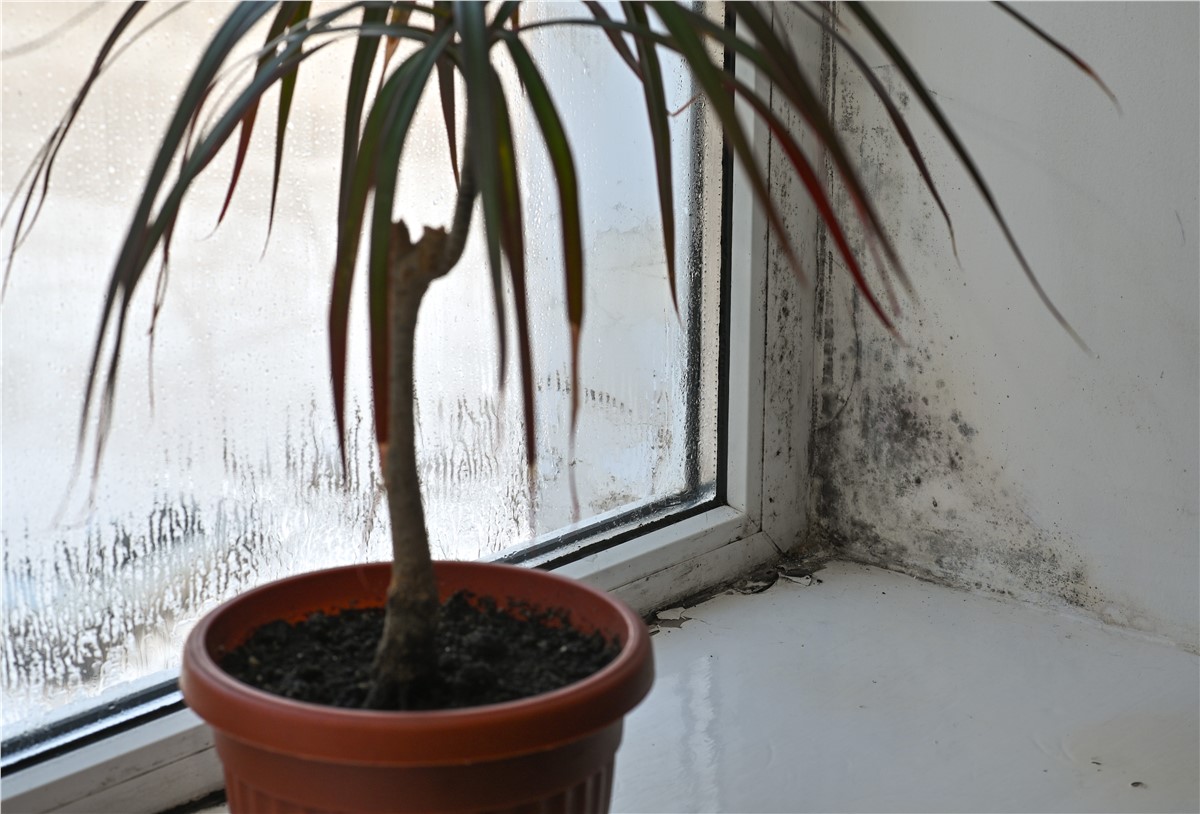
If you see fog or moisture trapped between layers of glass — not on the surface, but inside the glass unit itself — the seal has failed. This means the insulating gas fill has likely escaped and been replaced by ambient air, and the window is no longer performing efficiently. This particular sign is worth taking seriously even if it appears in just one small area of the glass, since it typically indicates the entire seal has been compromised and will likely worsen. It's a clear sign it may be time to consider replacement windows.
3. Difficulty Opening, Closing, or Locking
Windows that stick, won't stay open on their own, or don't lock securely often indicate frame warping, worn hardware, or settling issues that aren't easily fixed with simple maintenance. This is also a security concern worth taking seriously — a window that won't lock properly is a vulnerability, not just an inconvenience.
4. Visible or Noticeable Drafts
If you can feel air moving around a closed window — hold a hand near the frame on a windy day, or watch a candle flame flicker near the edges — the seals or weatherstripping have failed. Drafts are often most noticeable on the coldest or windiest days of the year, which is exactly when you need your energy efficient windows performing at their best.
5. Chipped, Cracked, or Damaged Glass
Beyond the obvious safety concern, damaged glass compromises the window's efficiency and structural performance, since any crack or chip can affect the integrity of the seal and allow moisture or air infiltration around the damaged area.
6. Noticeable Increase in Outside Noise
A significant increase in outside noise coming through closed windows often indicates deteriorating seals or single-pane glass that no longer meets your home's needs. If you've noticed that traffic, neighbors, or weather sounds seem louder indoors than they used to, it may not be your imagination — it may be a sign that the window's insulating properties have declined.
7. Visible Gaps or Daylight Around the Frame
If you can see daylight around the edges of a closed window, or gaps have opened up between the frame and the surrounding wall, moisture and air are almost certainly getting through as well. This is often accompanied by visible caulk cracking or separating from the frame, another sign that the seal between the window and the wall has broken down.
What to Do If You're Seeing These Signs
If you're noticing several of these signs, it's worth having your windows evaluated by a professional rather than waiting for the problem to worsen. Depending on the extent of the damage, repeated repairs may end up costing more over time than a full replacement, especially once seal failure or frame rot has set in.
Our window replacement cost guide can help you understand what factors into pricing, and our window types page is a good starting point if you're ready to explore what would work best for your home. Catching these visible signs early often gives you more flexibility in timing and budget than waiting until a window fails outright.
Subscribe to TruHome Pros's Blog