Some of the most important warning signs that your windows need replacing aren't visible at all — at least not until the problem has progressed significantly. Beyond the obvious cracks and drafts, here are the less visible factors that experienced installers look for when evaluating aging windows.
Rising Energy Bills With No Other Explanation
If your heating and cooling costs have crept upward over the years and your usage habits haven't changed, degraded window performance is a common — and often overlooked — culprit. Seals, gas fills, and weatherstripping all break down gradually, quietly reducing efficiency long before a window "looks" bad from the outside. This kind of gradual decline is easy to miss because it doesn't happen all at once; it shows up slowly across several heating and cooling seasons. Our page on energy-efficient windows explains what proper performance should look like, which can help you gauge how far your current windows have fallen behind.
Hidden Moisture Damage
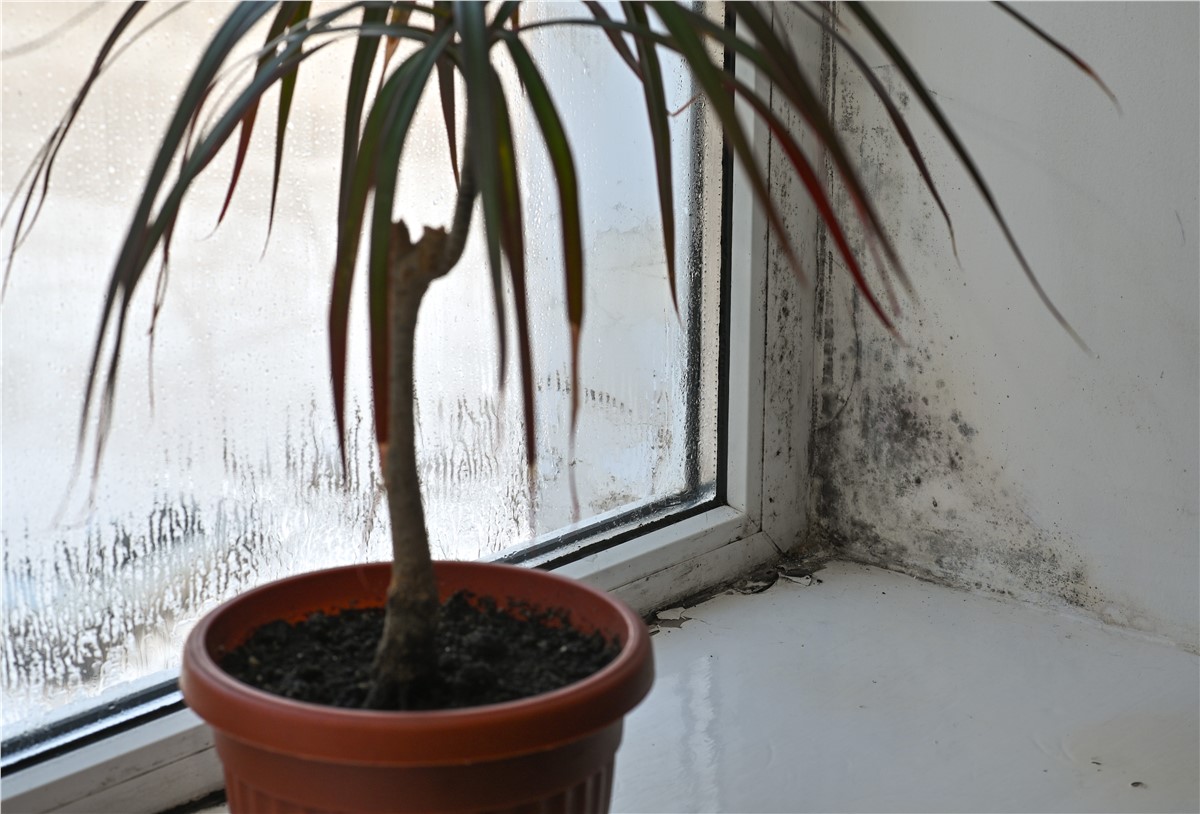
Water intrusion around window frames doesn't always show up as an obvious stain on the wall. It can travel behind walls, into framing, and around sills — leading to rot, mold growth, and structural issues that aren't discovered until a wall is opened up, flooring is replaced, or a window is removed for replacement. If your home has ever had water intrusion history near a window, or if you notice a musty smell near certain windows without a visible source, it's worth having that area specifically inspected rather than assuming it's unrelated.
Age of the Window, Independent of Appearance
Most window materials and seals have a realistic performance lifespan — often in the 15 to 20 year range, sometimes less depending on climate exposure, original build quality, and how much direct sun or weather exposure a particular window faces. A window can look fine on the surface while its seals, gas fill, and hardware are well past their functional life. If your home's windows are original to a build from decades ago, age alone is a legitimate reason to have them evaluated, even without obvious visible symptoms. This is especially true for homes built before more modern energy codes and window technologies became standard.
Hardware Fatigue and Mechanical Wear
Beyond the glass and frame, the hardware inside a window — balances, hinges, locks, rollers — wears out over time, sometimes well before other visible signs of aging appear. A window that has become harder to operate, or that no longer stays in position without assistance, may be experiencing this kind of mechanical wear even if the frame and glass still look acceptable. In many cases, this wear is a preview of more significant problems to come, since a window under mechanical strain often develops seal and frame stress as a result.
UV and Fading Damage Patterns
If flooring, furniture, or artwork near your windows has faded significantly, it can indicate that the UV-blocking coatings on your glass have degraded — a hidden performance loss that doesn't affect the glass's outward appearance but does affect what's happening to the contents of your home. This kind of fading tends to develop gradually and is often first noticed only when furniture is moved and a distinct color difference is revealed underneath.
Comfort Inconsistencies From Room to Room
If certain rooms are noticeably colder or draftier than others despite similar sun exposure and heating, window performance — not just your HVAC system — may be a contributing factor. Homeowners often attribute these inconsistencies to their furnace or ductwork without considering that the windows themselves may be the underlying cause, particularly in rooms with older or larger window openings.
The Value of a Professional Evaluation
Because these issues aren't always visible, it's worth having an experienced window installation professional assess your home's windows periodically — especially if they're original to an older home or if you've noticed any of the visible warning signs covered in our companion article on spotting window problems. A trained eye can often identify early indicators of seal failure, hardware wear, or moisture issues well before they become obvious to an untrained observer. Catching hidden deterioration early can save you from more costly repairs down the road, and help you plan a replacement on your own timeline rather than in response to an emergency.
Subscribe to TruHome Pros's Blog